Collecting Johne’s disease samples Sample collection is generally the same for all JD testing purposes – interstate livestock movements, industry assurance programs, live animal export testing or clinical diagnosis. This overview of the laboratory...
Guides to collecting and preserving plant specimens Often the lag between ingestion and illness means it is not always obvious what the animals may have been eating. This complicates the decision about what to suspect and collect, and it may mean collecting several...
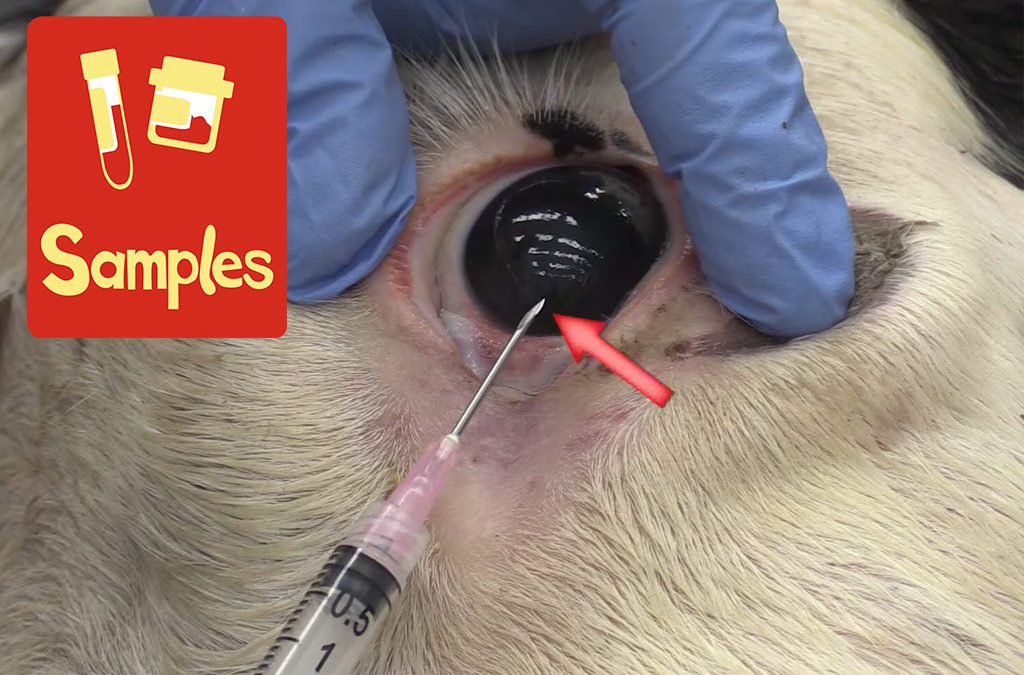
Collecting and transporting ocular fluids Ocular fluid biochemistry can help diagnose causes of sudden death. The eye is relatively isolated and protected so collection of ocular fluid up to 48 hours after death can add value in an investigation. Testing can include:...
Laboratory diagnosis of botulism A diagnosis of botulism is based on: Clinical signs and epidemiology consistent with the disease Appropriate post-mortem samples from clinically affected cattle to RULE OUT other causes Suspect source sample (if available). Back to...
Mastering your blood smear technique Blood smears are a great aid when investigating sudden death or ill thrift. Tips from the WA lab for preparing smears include: Collect in an EDTA tube Blood drops ~4 mm (not too big) Angle (at 30-40o) /Speed (not too fast, not too...